Indian Institute of Science · Bangalore · 1996–1997

PROJECT IMPACT

Dr. E. Senthil Kumaran · Master Trainer · National Science Initiative

A landmark national initiative at Indian Institute of Science - IISc, Bangalore — selected by Autodesk & Microsoft to deliver the "Human Software Update" to India's scientific leadership. Conducted at the J.N. Tata Auditorium, NSSC under the Rajiv Gandhi National Technology Missions framework, funded by the World Bank.
Program Period
1996 – 1997
Venue
J.N. Tata Auditorium, Indian Institute of Science - IISc
Duration
4-Day Intensive Program
Participants
Key Scientists & HODs · All India
🏛 World Bank · MeitY · Rajiv Gandhi National Technology Missions
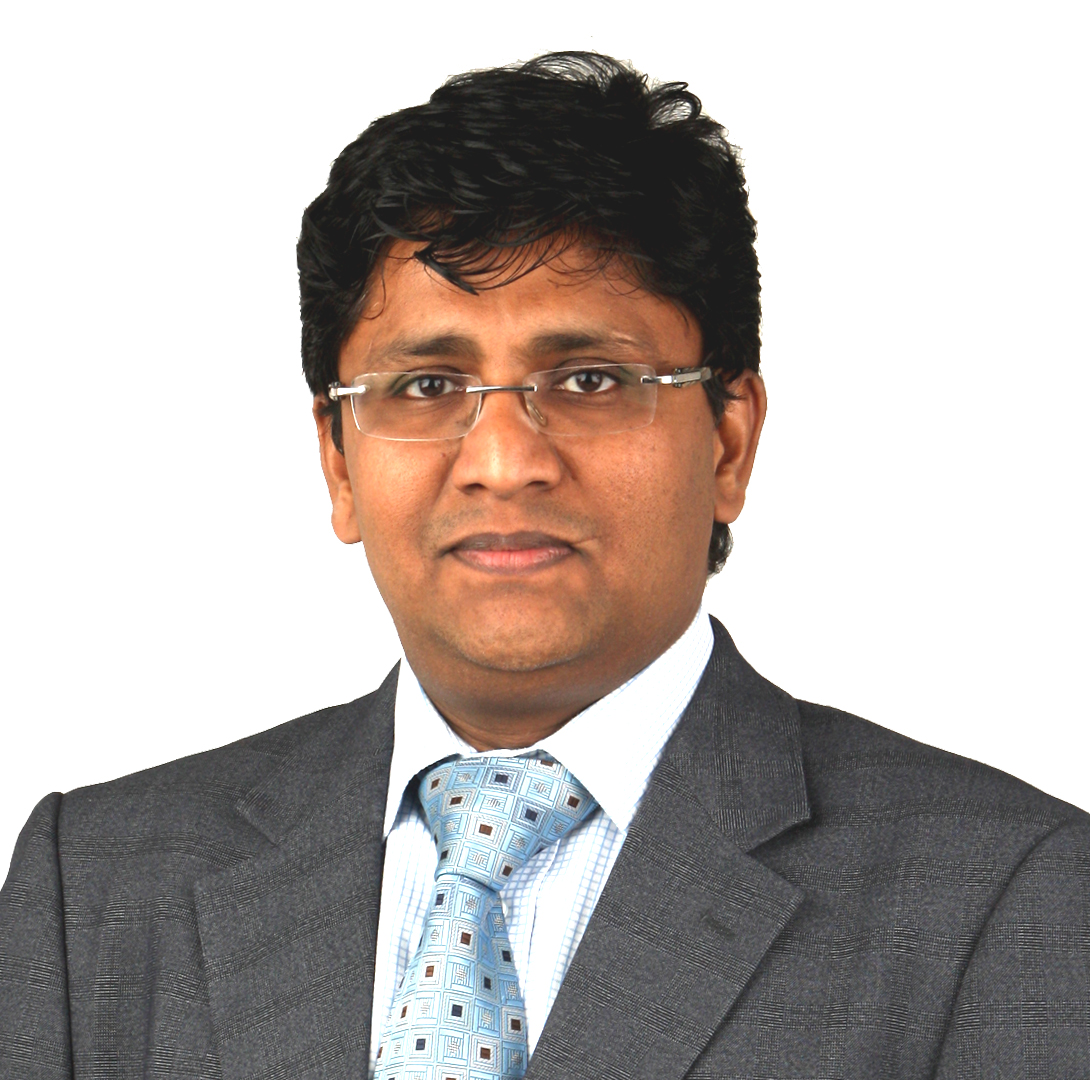
Dr. E. Senthil Kumaran
Master Trainer · Project IMPACT
🏛
J.N. Tata Auditorium · NSSC National Science Seminar Complex, Indian Institute of Science - IISc · Near Yeshwanthpur (West) Gate
1996India's Software Transition Era
4Days · Intensive National Program
200Scientists & HODs Trained
Indian Institute
of Science
India's Premier Science Institution
WBWorld Bank Funded Initiative
Multiplier Effect · National Scale
The Mission

Transforming India's Scientific Leadership

Project IMPACT — National Context

Project IMPACT was a high-priority national initiative launched by the Ministry of Electronics and Information Technology (MeitY) — then the Department of Electronics (DoE) — with funding support from the World Bank. Conceived under the vision of the Rajiv Gandhi National Technology Missions, its primary objective was to bridge the gap between traditional engineering education and the rapidly evolving electronics and IT industry.

The program organizers approached Microsoft and Autodesk to deliver industry-aligned technical insights. Microsoft coordinated with Autodesk, after which Autodesk selected Dr. E. Senthil Kumaran to independently design and conduct the entire four-day master training program — based on his unique, integrated command over IT services, technical support, marketing, and professional training.

🏦
Primary Funding
World Bank
🇮🇳
Government Mandate
MeitY / DoE
🚀
Framework
Rajiv Gandhi Missions
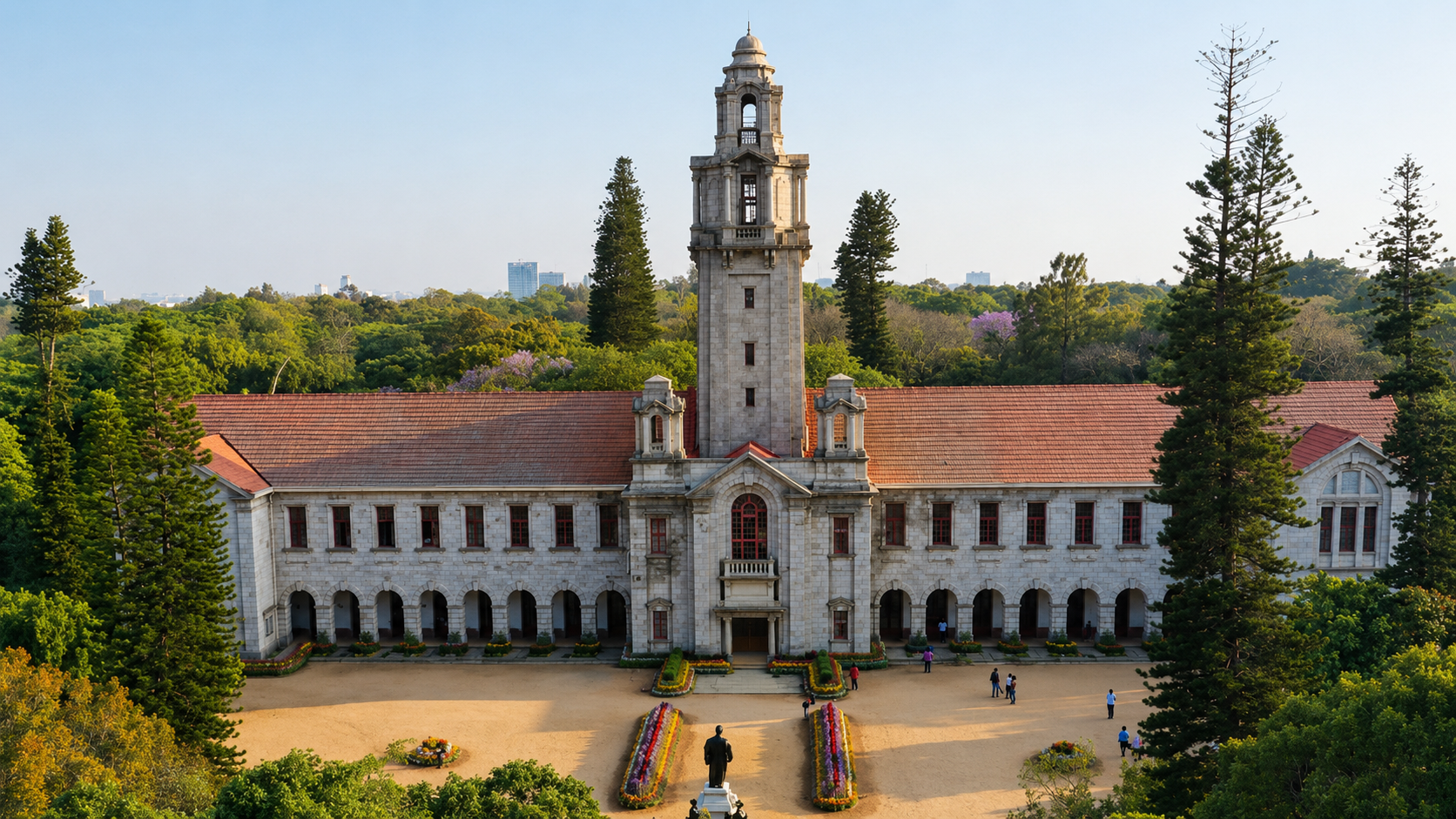
Indian Institute of Science - IISc Main Building, Bangalore

Why Dr. Senthil Was Selected

CAD · GIS · IT Expertise at KCS

Hands-on foundation at Kirloskar Computer Services Limited covering CAD, GIS, and full IT services.

Corporate IT Implementation

Two years delivering and installing IT solutions across corporate organizations and educational institutions.

Weekly Training at Society of Engineers

Regular professional training programs demonstrating sustained, proven knowledge transfer capability.

Rare Integrated Profile

The unique combination of IT, marketing, technical support, and training in one professional was uncommon at the time.

"The transition from 1996 to 1997 marked the end of the hardware-only era and the beginning of software-driven design in Indian science — a human software update delivered to the nation's scientific elite."
Project IMPACT · Historical Archive · Indian Institute of Science - IISc, Bangalore · 1996–1997
The Venue

J.N. Tata Auditorium · NSSC, Indian Institute of Science - IISc

Indian Institute of Science - IISc Logo
Venue of Record
Indian Institute of Science
भारतीय विज्ञान संस्थान
Bangalore · Established 1909
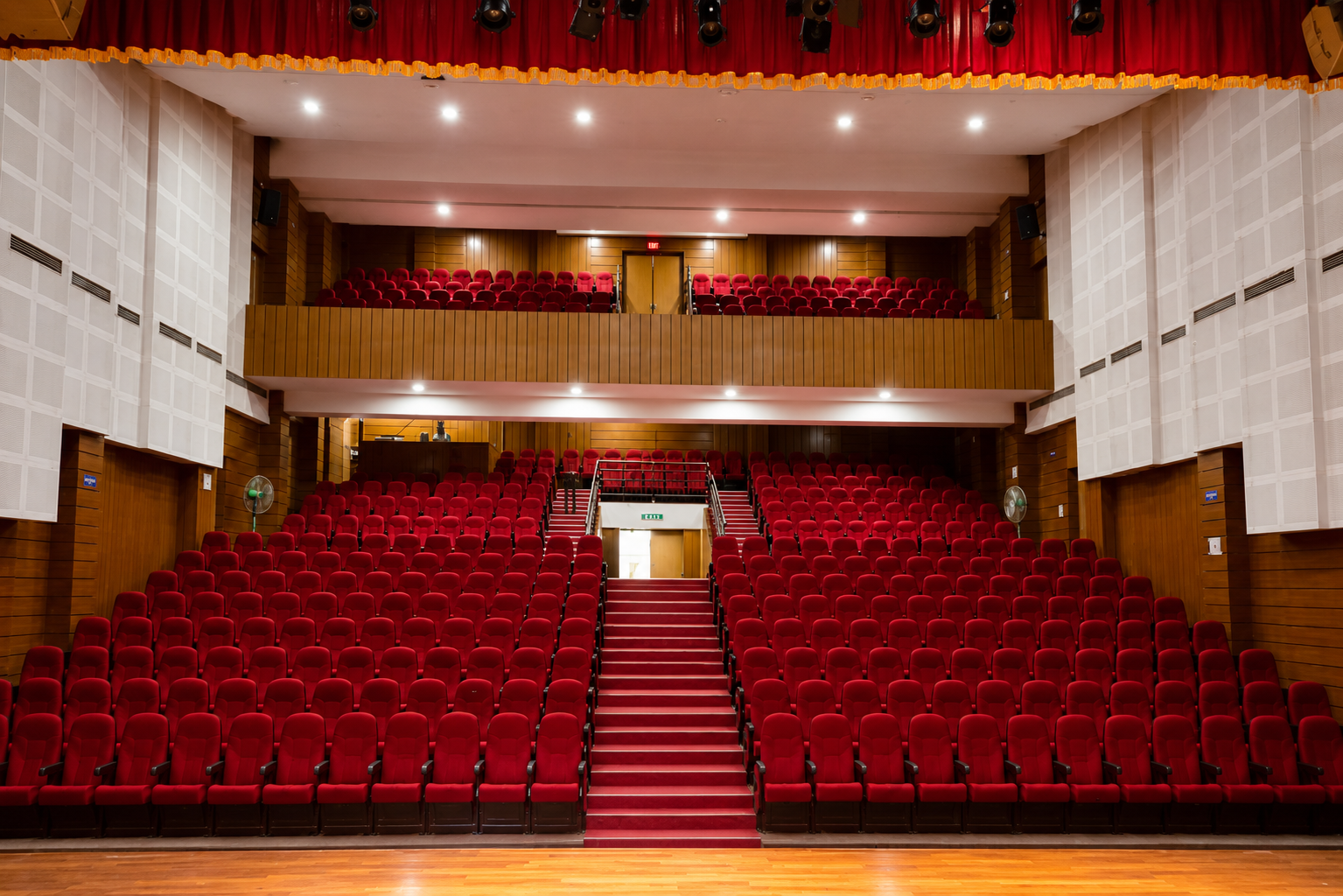
J.N. Tata Auditorium, Indian Institute of Science - IISc Bangalore
J.N. Tata Auditorium · National Science Seminar Complex (NSSC)

The National Stage

The master training sessions were conducted at the prestigious J.N. Tata Auditorium within the National Science Seminar Complex (NSSC) at Indian Institute of Science - IISc, Bangalore, located near the Yeshwanthpur (West) Gate of the campus. At the time, this facility represented the most prestigious and technologically advanced venue at Indian Institute of Science - IISc.

This became the meeting point where scientists and institutional leaders witnessed the beginning of software-enabled engineering transformation in India. The programme was not delivered to students — it was delivered to Key Scientists, Heads of Departments (HODs), and Research Leaders from government-designated Participating Institutions across the entire country.

The venue's national significance amplified the multiplier effect — every scientist who sat in this auditorium returned home to authorize the modernization of their institution's laboratories, procurement strategies, and engineering curricula.

National Initiative

Supported through the Rajiv Gandhi National Technology Missions framework, funded by the World Bank and the Government of India — one of the most prestigious national science programs of its era.

Technology Integration

Autodesk and Microsoft technologies were integrated into scientific and engineering training workflows — introducing Windows NT, Visual Studio, AutoCAD R13 & R14, digital prototyping, and 3D animation to India's scientific community.

Legacy Impact

The initiative contributed to the early digital transformation of India's scientific and engineering ecosystem — directly influencing curriculum modernization and institutional technology adoption across multiple states.

Technology Domains

What India's Scientists Learned

The four-day program delivered a comprehensive "Human Software Update" across eight critical technology domains — transitioning scientists from hardware-centric systems to the software-driven future.

Automation and its benefits for research institutions
IT applications in education and research environments
Maps, GIS, and intelligence from space research
Future space technologies and the role of IT skill enhancement
3D animation, virtual reality and their use in advanced research
Windows NT & Visual Studio — shift away from Unix workstations
AutoCAD Release 13 & 14 — digital prototyping & parametric modeling
Transition from hardware-only to software-driven design paradigm
Participant Profile
  • Key Scientists from government-designated Participating Institutions (PIs)
  • Heads of Departments (HODs) from research institutions across India
  • Research Leaders designated as regional hubs of excellence
  • Representatives from the Centre for Electronics Design & Technology (CEDT)
  • Not students — India's scientific thought leaders and decision makers
Microsoft Integration
  • Windows NT enterprise environment adoption
  • Visual Studio — integrated development environments
  • Shift from isolated Unix workstations to scalable PC-based design
Autodesk Partnership
  • AutoCAD Release 13 & 14 — advanced CAD workflows
  • Digital prototyping concepts and parametric modeling
  • Replacing manual drafting with simulation-driven engineering
The Multiplier Effect

4 Days · National Scale Impact

4
Program Days
Intensive · J.N. Tata Auditorium
200
Scientists & HODs
Curated national cohort
WB
World Bank Funded
+ Swiss Dev. Corp. + Govt of India
Multiplier Effect
Nationwide institutional cascade

⚡ How 4 Days Changed a Nation

The intensive four-day format was designed for national-scale impact. By updating key scientific thought leaders — the very people who would return to their institutions and authorize technology adoption — the program created a powerful chain reaction across India's scientific and engineering ecosystem.

🏛 Institutional Shift

Scientists returned to their home states to authorize the procurement of licensed Microsoft and Autodesk software for local IMPACT laboratories — directly driving technology adoption at a national level.

📚 Curriculum Modernization

The training directly influenced engineering curricula across India — standardizing industry-aligned technical education at a national scale and replacing outdated, hardware-only syllabi with modern software-driven content.

The 1996–1997 period stands as a defining inflection point — the end of the hardware-only era and the beginning of software-driven design in Indian science. The work carried out at the NSSC in collaboration with the Centre for Electronics Design and Technology (CEDT) contributed to laying the foundation for India's later emergence as a global IT and engineering powerhouse.

The Legacy
Autodesk
Technology Partner
In Coordination With
Microsoft · Autodesk · Project IMPACT
HOPE Technologies
Autodesk Distributor · SAARC

Dr. E. Senthil Kumaran

Selected by Autodesk — in coordination with Microsoft — Dr. E. Senthil Kumaran independently designed and conducted the entire Project IMPACT master training initiative at Indian Institute of Science - IISc, Bangalore. His selection was based on a rare, integrated professional profile spanning CAD, GIS, IT systems, technical support, marketing acumen, and sustained training delivery — an uncommon combination during that period in India.

His professional foundation at Kirloskar Computer Services Limited (KCS), combined with two years of delivering IT solutions across corporate and educational institutions, and regular weekly training programs at the Society of Engineers — gave him the credibility and capability to stand before India's top scientists and deliver a program of national consequence.

The program stands today as an important historical milestone representing India's transition toward software-driven scientific modernization — and a defining chapter in a career spanning over 37 years of technology leadership, training excellence, and institutional impact.

Career Archive · esksenthil.com
"What I delivered at Indian Institute of Science - IISc was not just a training program — it was a human software update for India's scientific mind. The scientists who sat in that auditorium went back and changed their institutions forever."
— Dr. E. Senthil Kumaran